Friday, March 25, 2011

EUR-OCEANS Conference on Ocean deoxygenation

The EU initiative EUR-OCEANS invites contributions for a conference on Ocean deoxygenation and implications for marine biogeochemical cycles and ecosystems from 24.-26.10.2011 in Toulouse, France.
Abstracts submission is open until 30.4.2011.


A broad range of hypoxia related scientific themes will be covered with a strong focus being on Open Ocean deoxygenation and OMZs:
o Oxygen distribution and physical and biogeochemical controls
o Challenges of model parameterizations and predictions of O2 changes
o The past ocean: what can we learn from episodic widespread anoxia
xxthroughout the Earth’s history?
o The present ocean:
xx- Increase of coastal hypoxia
xx- Interplay between acidification and deoxygenation
xx- Implication on marine biogeochemical cycling
xxxof nutrients
o Oxygen Minimum Zones and greenhouse gases
o Change in ocean circulation and mixing and its impact
xxon oxygen distribution
o Getting into the realm of the microbial activity:
xxa functional genomic approach
o Towards new biogeochemical microsensors and networks
xxfor marine biogeochemical cycling (in situ and satellite
xxobservations; experimentations)

Links:
conference homepage
registration website
Conference Flyer
Conference Program

Tuesday, March 15, 2011

HYPOX second annual meeting in Switzerland (3.-7.5.2011)

Representatives of all 16 HYPOX partner institutions as well as of three of our recently associated partners (NIVA, Oslo, Norway; MfN, Berlin, Germany; and MARE-ULg, Liège, Belgium) join the second annual meeting in Switzerland. The meeting is hosted by our project partner Eawag (Swiss Federal Institute of Aquatic Science and Technology). Carsten Schubert and Patricia Achleitner at the Eawag branch in Kastanienbaum are doing a great job in taking care of all organizational issues. The meeting is held at the campus of the Lucerne University of Applied Sciences and Arts in nearby Horw. We are most thankful to Prof. Stoessel from Lucerne University who arranged this for us!


Eawag's idyllic Kastanienbaum branch as seen from Lake Vierwaldstaettersee (image courtesy of Eawag).

Now that all observatories at all project sites have been installed or deployed for some time all participants look forward to an inspiring meeting with a lot of discussions on the data obtained. The core part of the meeting is dedicated to the reports from the different observatories. An additional focus is on the combination of monitoring and modeling activities in order to generalize the findings and to project them into the future. Efforts for data archiving in HYPOX and the linkage of HYPOX with the Global Earth Observation System of Systems (GEOSS) form another important part of the meeting.

On Thursday an open workshop on oxygen sensor technology and application takes place. The workshop includes presentations by sensor manufacturers as well as reports on sensor-related scientific activities.

A preliminary program of the meeting is available HERE.

Sunday, February 13, 2011

EUR-OCEANS Conference - Ocean deoxygenation and implications for marine biogeochemical cycles and ecosystems 24-26 October 2011, Toulouse, France

This conference aims to bring together biological, biogeochemical, and physical oceanographers to discuss the issue of deoxygenation in the world ocean and its implications for ocean productivity, nutrient cycling, carbon cycling, and marine habitats. A serious consequence of global warming that is increasingly gaining importance is the decrease of the dissolved oxygen content of the world ocean. Deoxygenation and extension of the Oxygen Minimum Zones (OMZs) are predicted because oxygen is less soluble in warmer waters and also because the changing oceanic stratification and circulation will reduce the supply of O2 to the ocean interior. However, the biogeochemical contribution due to the O2 consumed by the aerobic processes (e.g. remineralization, nitrification) remains to be quantified. This deoxygenation in subsurface waters will have widespread consequences due to the role O2 plays in the biogeochemical cycling of carbon, nitrogen and other important elements such as P, Fe, Mn, S, etc.. O2 is instrumental to all aerobic life and sublethal and lethal O2 thresholds vary greatly between marine organisms. OMZs are key regions in the climatic gases budgets: O2, CO2, N2O, CH4, halogenous compounds...

Some scientific related specific issues include: What is the complete influence of the OMZs on climate change, taking into account the impact of the greenhouse gases, cloud formation and control of O3 and O2? How sensitive the OMZs characteristics are to changes in oceanic circulation associated to global warming? What are the mechanisms associated with a bio-, photo-, or chemo-degradation of organic matter (including CDOM) for the production of greenhouse gases, e.g. the switch from an aerobic (O2-respiration) to an anaerobic (via NO3, SO4, methanogenesis, IO3, Fe) remineralization?

Developing new dedicated sensors for the ocean observing system, modelling tools and understanding the key relevant biogeochemical and physical processes to predict future O2 contents of the world ocean constitute an immense challenge. The goal of this conference is to provide a science arena where to discuss the state of the art of our knowledge on all these topics and in building a unified research agenda across the full range of oceanographic disciplines.

This EUR-OCEANS Consortium 2011 Conference takes a multi-disciplinary view of the problem. Oral sessions will consist of invited speakers, all very active leaders in their fields, and will mix scientists from different disciplines within the sessions. All other presentations will take place in poster sessions. Participants are very much encouraged to present their work in the form of posters. The structure of the conference will allow for formal discussion sessions in the mornings and afternoons and informal networking and discussions in the evenings. Number of participants is limited (around 70 persons). Some grants will be available for PhD and post-doc participants.

Download Flyer

Wednesday, August 18, 2010

Reading suggestion: Nature publication on hypoxia off the Oregon coast

A News Feature article in Nature gives an alarming example of coastal hypoxia and pinpoints the need for oxygen monitoring to understand hypoxia causes and improve predictive capabilities

If somebody is still in doubt about the need to monitor oxygen and to better understand hypoxia formation in aquatic environments it is highly recommended to read an article by Virginia Gewin about hypoxia formation off the Oregon coast that was recently published as a Nature News Feature. For the past 9 years hypoxia has been observed in coastal waters that do not receive enough fertilizer runoff from the adjacent coast to explain the recurrent decline in oxygen concentrations by eutrophication. Instead the most probable reason for hypoxia off Oregon is a decrease in oxygen concentration in water layers that feed the seasonal upwelling. Whether or not this is directly connected to climate change is still under debate. One thing, however, is clear: in order to better understand and predict oxygen fluctuations it is necessary to improve oxygen observation capacities. A need that is certainly recognized by the hypox consortium...

Text: Felix Janssen

Friday, May 28, 2010

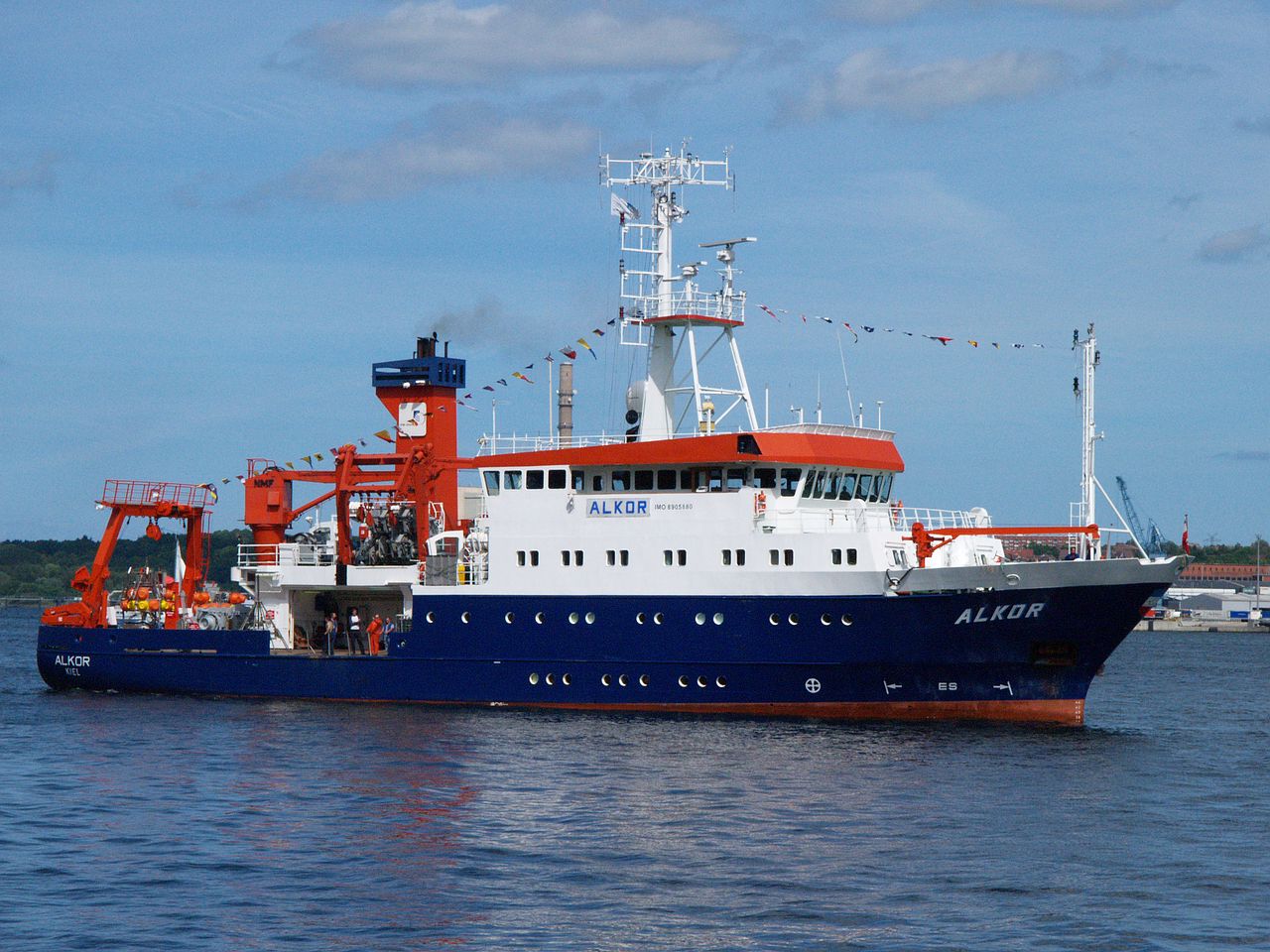
Second IFM-GEOMAR-HYPOX expedition to the eastern Gotland Basin (R/V ALKOR, leg AL-355)

From 29. May to 21. June R/V ALKOR is working in the eastern Gotland Basin in the central Baltic Sea. A major focus of the cruise, led by Dr. Olaf Pfannkuche from HYPOX partner IFM-GEOMAR, is to understand the role of open sea sediments of the Baltic Proper as sources and sinks for nitrogen, phosphorus, trace metals and carbon under low oxic to anoxic conditions. A lot of the work will be dedicated to in situ measurements of turnover and fluxes of nitrogen compounds, phosphate, iron, manganese and carbon in the benthic boundary layer at variable bottom water oxygen concentrations. In parallel to these measurements under natural conditions, the effects of variable oxygen availability in the bottom water on N-speciation and release of nutrients will be determined by in situ experiments. Further activities during the cruise comprise biological investigations (meiobenthos, epibenthos) and sea floor imaging. A lander observatory will be deployed at 97m for three weeks to measure currents and oxygen variability near the bottom and to take time lapse photos of the activity of bottom organisms. Major working sites will be in the eastern Gotland Basin of the Baltic Proper along a depth transect line in the Latvian EEZ. The transect line includes stations , which have been visited during a pre-study with R/V Poseidon (POS-369, July/August 2008) and during the first HYPOX Cruise with R/V Alkor (AL-346, Sept/Oct. 2009). These stations, ranging from shallow water (~ 60 m) to deepest part of the basin (~250 m), are representative for the Gotland Basin and include sites with both oxygenated and anoxic/sulfidic bottom water.


Fig. 1: R/V ALKOR: Tonnage 1322GT, Length 54,5m, Beam 12,5m, Scientific Crew 12. (Photo: IFM-GEOMAR)


Fig. 2: Map of ALKOR cruise No. 355: working area framed. (O. Pfannkuche, IFM-GEOMAR).


Fig. 3: Deployment of a GEOMAR-Lander from R/V ALKOR (Photo O. Pfannkuche, IFM-GEOMAR)

Text: Olaf Pfannkuche, IFM-GEOMAR

Thursday, April 8, 2010

HYPOX expedition to the Black Sea (12.4 to 8.5.2010)

During leg 15-1 of the german research Vessel Maria S. Merian, HYPOX scientists will carry outinvestigations in the Black sea . The HYPOX partner institutions involved in the cruise include MPI, AWI, Eawag, GKSS, Ifremer, IBSS, INGV, ITU, SAMS, and Uni-HB/MARUM. The BlackSea shelf is a natural laboratory for studying the biogeochemical signatures of oxygen depletionthe water column and sedimentary record, as the Black Sea is the largest anoxic water bodyon Earth. The transition zone between oxygen rich and oxygen depleted water is found atwater depth. During the cruise MSM15/1 the focus lies on new technologies for in situ measurements of oxygen dynamics and associated biogeochemical processes in the BlackSea. The first target area is the Turkish shelf and slope impacted by the inflow of oxicMediterranean water to the anoxic Black Sea. Here, in situ water column sampling andsediment coring will be carried out along a depth transect. The second study site is the Crimeanshelf, where surveys using MEDUSA tows as well as deployments of the benthic crawler MOVEand the submersible JAGO will be conducted to map the hydrographical conditions, thedistribution of the chemocline (transition zone between oxic andsulfidic waters) and thebenthic habitat structure. Numerous sensor platforms and sampling tools will provide a 3D image of biogeochemical processes in the hypoxic-anoxic transition zone of the Black Sea aswell as on the changing biodiversity.The mission will also contribute to the EU ARGO programby deploying floats and profilers in the western and northern Black Sea.


R/V Maria S. Merian. photo: www.briese.de


HYPOX student Zeynep Erdem taking samples on a previous cruise to the istanbul strait area. photo: M. Guenter, MPI


The expected cruise track and the working areas of lag 15-1 of R/V Maria S. Merian: image: www.aquarius.geomar.de, F. Janssen, MPI

Stay tuned to learn more about the cruise: during the cruise the scientist will regularly update a weblog on the cruise and on first results. please follow
this link or visit www.mpi-bremen.de.

text: M. Schloesser, A. Boetius, F. Janssen
in 100-250 m

Friday, April 2, 2010

HAUSGARTEN oxygen workshop at AWI (10.-11.3.2010)

Thomas Soltwedel from the german Alfred Wegener Institute for Polar and Marine Research (AWI) organizes a workshop on oxygen measurements at the deep-sea long-term observatory HAUSGARTEN, which serves as an open ocean reference site within HYPOX. The prime intention of the workshop is to compile and secure all oxygen records assessed during the last 10 years of intense multidisciplinary studies at HAUSGARTEN observatory by a variety of methods: on board Winkler titrations of bottom water and in-situ incubation chamber samples, in-situ and on board microprofiler measurements as well as short- and long-term measurements with 1D Aanderaa optodes and 2D planar optodes. The compiled data will be transferred to the PANGAEA repository and thus be available via the HYPOX data portal. Workshop participants plan to use the data to assess fluxes and remineralization of organic matter and its influence on sediment oxygenation as well as for the analysis of long term trends in bottom water oxygen concentration.

All in all eight scientists from three institutions join the workshop at AWI: Cécile Cathalot & Christophe Rabouille (CEA-CNRS), Eberhard Sauter, Frank Wenzhöfer, Ingo Schewe & Thomas Soltwedel (AWI), and Janine Felden (MPI-MM). Colleagues from UGOT are not attending the workshop but provide their oxygen data collected at HAUSGARTEN in summer 2007.


Figure 1: One of the buildings of the AWI in Bremerhaven (Germany), the institution that hosts the workshop


Figure 2: the logo of Pangaea, the data archive that hosts the HAUSGARTEN data

Text: Thomas Soltwedel & Felix Janssen

Thursday, March 18, 2010

HYPOX first annual meeting (22.-25.3.2010)

Now that the HYPOX project is almost 12 months old, representatives of all 16 HYPOX partner institutions will join for the first annual meeting in Istanbul. The meeting is hosted by the Eastern Mediterranean Centre for Oceanography and Limnology at Istanbul Technical University and will take place at the campus of the ITU branch in the Taksim area. Umut Ülgen and Zeynep Erdemz from ITU did a great job with preparations so all participants look forward to an inspiring and well organized meeting.


A lot of things were achieved during the first year of HYPOX. Several cruises were conducted, the first observatories are installed, and the first version of the data portal is online and already provides the first data measured in HYPOX. Consequently, the core part of the meeting from monday till wednesday is dedicated to reports from the different work packages (WPs). However - apart from reports on the status of the ongoing work in the respective WPs, a major goal for the meeting is to foster the links between WPs: Between the people installing the observatories and doing the measurements (WP1, 4, 6 & 7), people in charge of data standardization, sharing, and archiving (WP5) and the people that take care of modeling oxygen depletion and assessing the ecosystem response (WP 2&4).

On thursday an open workshop on the state of the art of physical-biogeochemical modeling of oxygen depletion takes place. The workshop is organized and chaired by Andy Dale and includes not only contributions from several modeling experts in HYPOX but also from Marilaure Gregoire, University of Liege, Belgium and Evgeniy Yakushev from NIVA in Norway. In parallel to the modeling workshop meetings on work package issues, benthic fauna under the influence of hypoxia, and technical issues will be held.


The participants of the 1st annual meeting


Prof. Muhammed Sahin, Rector of Istanbul Technical University welcoming the meeting participants


Entrance of the picturesque meeting venue (Faculty of Architecture at Istanbul Technical University)

Meeting program
Modeling workshop program

Wednesday, January 20, 2010

HYPOX Project information brochure online

Everybody who'd like to learn more about HYPOX reasearch and researchers is welcome to download a 12 page information brochure. The texts and images give a brief introduction to hypoxia's causes and consequences, project monitoring sites, measurement and modeling strategies, HYPOX standardization and data sharing policy, and, last but not least, the members of the consortium.


The brochure is published by the coordination team of HYPOX (Antje Boetius & Felix Janssen, Max Planck Institute for Marine Microbiology and Christoph Waldmann, MARUM, in Bremen, Germany) in close collaboration with Jack Middelburg (Netherlands Institute of Ecology, Yerseke, The Netherlands) and several other members of the HYPOX consortium.


The editorial team: Antje Boetius, Felix Janssen, Christoph Waldmann, Jack Middelburg (upper left to lower right)

As in the case of the HYPOX logo and the project web design Sabine Luedeling / Medieningenieure Bremen took care of the artwork.


Sabine Luedeling (Medieningenieure Bremen)

Tuesday, December 15, 2009

Cabled observatory in Loch Etive (Scotland) successfully deployed

On 28.11.2009, Henrik Stahl and coworkers from the HYPOX team at the Scottish Association of Marine Science (SAMS) successfully deployed a cabled observatory in the upper basin of Loch Etive. The deployment took place at best weather conditions with almost no wind after a several week long bad weather period - not unusual at Scotlands west coast at this time of the year. The calm weather allowed to lay the 1200m long cable from the center of Loch Etive to the base station at the shore. Deployment works started out early in the morning with three boats involved: One for deploying the mooring, one for laying the underwater cable and another smaller boat for taking the last bit of the cable into shore. Thanks to the eminent crew of the boats and the marine Technology/Physics department at SAMS everything went according to plan. After plugging in the cable and switching on the power the instruments came alive right away sending data through the cable. The next step is now to connect the base station to the internet for making the data available online in real-time.


Fig. 1: RV Calanus (SAMS) and a supplementary vessel involved in deployment works


Fig. 2: Laying out the underwater cable


Fig. 3: The recording current meter and data processing and communication unit during deployment

First HYPOX observatory deployed in the Koljö Fjord area, Sweden

Per Hall, Anders Tengberg, and coworkers from the HYPOX team at Gothenburg University (UGOT) deployed the first HYPOX observatory in the Havstens Fjord. Havstens Fjord is located in the Koljö Fjord area and supplies the Koljö Fjord with water. After successful testing in October 2009 a string type observatory was deployed on 3.11.2009. The deployment is planned to continue until at least March 2010.
The string observatory hosts three oxygen optodes and four sensors for conductivity (salinity) distributed at water depths between 6 and 18m. At the lower end of the string (at ca 25 m water depth) there is a recording current meter (“Seaguard”, AADI, Norway), measuring currents and pressure (depth and sea level change), and logging all sensor data. Temperature is measured at all depths. For future deployments, a total of fourteen sensors can be connected to the string at seven different depths at a vertical distance of 3m. To prevent damage from ice cover in winter the string is deployed without surface buoy.


The string-type observatory on deck of the UGOT R/V Skagerak just before deployment (photo: Per Hall, UGOT).

Autumn-expedition to the Tarkhankut gas seep region by HYPOX partner IBSS

In November 2009, the Institute of Biology of the Southern Seas (IBSS) performs a land-based expedition to the Tarkhankut gas seeps region – a shallow area near the Crimea Peninsula. In continuation of the last field trip in September the intention is to follow up on the former investigations and to monitor seasonal changes that may occur. The observations conducted include physico-chemical as well as biological parameters:

Water column above the gas seeps: Dissolved oxygen, oxygen demand, temperature, pH

Seep-associated microbial mats: Sulfide and oxygen, redox-potential, pH, organic matter content (unstable and stable); micro- and macrozoobenthos under hypoxic conditions.

Preliminary conclusions:

Hypoxic conditions in the seep associated microbial mats as well as in the nearby water column prevail also in late autumn. However, compared to the situation in September, oxygen was found to penetrate deeper into the mat while sulfide concentrations decreased. Higher organisms adapted to microbial mats were observed to tolerate high sulphide concentrations and oxygen depletion for at least two months.


Fig. 1: Natasha Orekhova and Yury Vnukov in front of a profiling device that advances microsensors for oxygen and sulfide at 1mm steps into microbial mats (photo - M.Gulin).

Video: Vitaly Timofeev (diving) and Maksim Gulin (operating the rubberboat) take samples of mats, zoobenthos, and the water column (video - N.Orekhova).

Sunday, December 13, 2009

Oxygen optode calibration workshop at the Max Planck Institut in Bremen (9.-11.12.09)

The Max Planck Institute for Marine Microbiology in Bremen (MPI, www.mpi-bremen.de) hosts a three-day workshop on the calibration of macro oxygen optodes. These sensors, that are manufactured by the Aanderaa Data Instruments in Norway (AADI; www.aadi.no), determine dissolved oxygen concentrations based on the changes in optical properties of an oxygen sensitive fluorophor. Due to their outstanding long-term stability and their insensitivity to pressure, macro oxygen optodes have become a standard tool for long term monitoring of dissolved oxygen in the water column and will be the main sensor type used for oxygen monitoring in HYPOX. The main goal of the workshop is to test a simplified procedure for the calibration of these sensors. This is done by exposing optodes of unknown or outdated calibration (“test optodes”) and known calibration (“reference optodes”) to a large variety of temperatures and oxygen partial pressures in a big airtight calibration vessel. Different partial pressures are established when water temperature (and, hence, oxygen solubility) is changed in the vessel. By running a temperature gradient at several oxygen concentrations the entire range of environmentally relevant temperatures and oxygen partial pressures can be covered with a reasonable effort. The workshop was attended by eight people from the Gothenburg University, the MPI, and AADI.


The workshop participants (Photograph: M. Schloesser, MPI)


Close up of the optodes in the calibration vessel (Photograph: M. Schloesser, MPI)


M. Holtappels and F. Janssen filling the calibration vessel (Photograph: M. Schloesser, MPI)

Thursday, November 5, 2009

hypox expedition to a methane seep area at the Crimean Shelf

From 4. to 6.9.2009 the Ukranian hypox partner "Institute of Biology of the Southern Seas" (IBSS) conducted a land-based expedition to a shallow methane seep area at Tarkhankut Cape (NW Crimea peninsula, Black Sea).


Fig. 1: The site (photograph: Sergei Konovalov)


Video: methane seeping from the seafloor (Maksim Gulin)

The work was centered at effects of methane seeping on water column oxygen concentration, sediment biogeochemistry and benthic communities. Sampling and measurements were conducted by divers. Voltammetric microprofiles of diverse constituents (O2, Fe2+, Mn+, H2S, various other sulfur compounds...) were measured immediately on the beach. Analyses of meiofauna distributions and other sediment parameter are currently performed at IBSS.


Fig. 2: Sediment coring (photograph: Sergei Konovalov)


Fig. 3: Voltammetric profiling on the beach (photograph: Vitaly Timofeev)

First results indicate that hypoxic conditions may be present in the bottom waters where gas seeping occurs. Microbial mats found at the surface of the seafloor. For the first time it was observed that fishes fed on the mats or the associated fauna leading to dispersal of parts of the mats into the water column.


Fig. 4: The IBSS team: Sofia Konovalova, Sergey Konovalov, Vitaly Timofeev, Maksim Gulin, Natasha Orekhova (left to right)

Surveys of hypox-partner GeoEcoMar at the Romanian Black Sea Shelf

The Romanian Shelf is one of the hypox target sites for hypoxia studies in the Black Sea. For decades, the north-western shelf received particularly high nutrient loads, mainly through the discharge of the Danube. Eutrophication resulted in an increase in deposition of organic matter and seabed oxygen consumption that led to recurrent and widespread seasonal bottom water hypoxia and a deterioation of the of the benthic system: Sea grass, benthic macroalgae communities, and mussel beds disappeared. Thus, in combination with overfishing, eutrophication led to complete collapse of the pelagic and benthic ecosystems. Reduced riverine nutrient discharges following the breakdown of industry and agriculture in eastern European countries led to the decrease in occurrence of large-scale bottom water hypoxia since the 1990’s and allowed for a slow recovery of the pelagic and benthic ecosystems. The Romanian shelf is thus of particular interest to investigate processes that benthic systems undergo upon recovery from previous hypoxia and understand the complex interaction of nutrient input, climate forcing, and oxygen availability.

Already in May (i.e., project month 2) Marian-Trajan Gomoiu and colleagues from the hypox partner GeoEcoMar (National Institute of Marine Geology and Geo-ecology of Romania) conducted a cruise to the Romanian Shelf. Investigations included sampling of the benthic communities as well as mapping of oxygen distributions in shelf waters and at the seafloor. At this time of the year hypoxic conditions with dissolved oxygen concentrations below 63µmol/L or 2mg/L were largely restricted to water depths >100m, i.e., around and below the shelf break. The same sites will be revisited several times within the time course of the project to follow the temporal and spatial dynamic of oxygen distributions and the response of the bethic communities.


Fig. 1: Overview of the stations visited during the GeoEcoMar cruise in May


Fig. 2: An example of the distribution of dissolved oxygen along a transect on the Romanian Shelf

Kick-Off Meeting of GEO Task ST-09-02

Hypox Scientist Christoph Waldmann from the Center for Marine Environmental Sciences at Bremen University (MARUM) participated in the Kick Off Meeting of the Group on Earth Observation's (GEO) task ST-09-02. The task was initiated as part of the 2009-2011 workplan of GEO to promote the development of a Global Earth Observation System of Systems (GEOSS). The main goal of this task is to promote awareness and benefits of GEOSS in the scientific and technological communities in order to engage the research community in GEO and GEOSS. Activities include the forming of links with major scientific research enterprises and to actively encourage relevant scientists and technical experts to contribute to GEOSS.


Fig. 1: The nine societal benefit areas of GEO (taken from the slide library The Group on Earth Observation: An Introduction; www.geo-tasks.org/slide_library/)

The Kick-Off Meeting took place on 27.-28.7.2009 at the ESA/ESRIN centre in Frascati, Italy and was attended by 19 participants from Europe and the US. As representative of the European Comission (EC), Vojko Bratina reported on the efforts of the EC to foster some of the Task activities as well as other GEO-related projects. Within the Framework Program 7 (FP7), the EC funds GEO-relevant projects. A central requirement of the EC is compliance with the GEOSS standards, including registration of data sets and services in GEOSS registries. HYPOX is one of four projects that got funded in 2008. In 2009 and 2010, another twelve GEO-related projects are expected to be funded by the EC.


Fig. 2: The European Space Agency- European Space Research Institute ESA/ESRIN ground facilities in Frascati (Rome), Italy (www.esa.int/SPECIALS/ESRIN_SITE/SEMQPWY5D8E_0.html)

At the meeting, lively discussions took place. Part of them centered on establishing a "GEO label" to denote that data sets and products with the label had been validated/quality controlled according to a set of well-defined rules. This activity was strongly challenged as a GEO quality control (QC) may interfere with already established quality assurance procedures of space agencies and other organizations. One result of task ST-09-02 is the organization of a Union Session at the AGU Fall Meeting 2009. During this session, "compelling examples" will be shown to demonstrate how GEOSS works for science.

Further information about the Kick-Off meeting and meeting minutes are found here: www.geo-tasks.org/st0902/meetings/

Monday, November 2, 2009

Black Sea cruise in the Istanbul Strait area

From 9-21 November 2009 a HYPOX research cruise is conducted using Istanbul Universities' Research Vessel "Arar". The work is carried out close to the mouth of the Istanbul Strait area within the Turkish economic zone of the Black Sea. The cruise is joined by HYPOX project partners from Istanbul University's Eastern Mediterranean Centre for Oceanography and Limnology (N. Çagatay, U. B. Ulgen, E. Damci, Z. Erdem), the Ukranian Institute of Biology of the Southern Seas (S. Mazlumyan, I.P. Bondarev) and the German Max Planck Institute for Marine Microbiology (M. Holtappels, A. Lichtschlag, G. Klockgether).

Fig. 1: the working area in the istanbul strait area (41.35°– 42.00°N and 29.00° E – 29.80° E)

The first objective of the cruise is to study the present and past oxygen conditions of the Black Sea area using geophysical subbottom profiling and sediment coring along transects from 70 m to 300 m water depth. The cores are analyzed for inorganic and organic proxies and benthic communities. The second objective is to study the effect of lateral intrusions of warm, saline, oxic Mediterranean waters on the biogeochemical cycling and microbiologic communities in the anoxic Black Sea water column. This will be done by a combination of chemical measurements and various 15N/13C incubation experiments.

Fig. 2: RV "Arar" of Istanbul University

Thursday, September 3, 2009

Upcoming expedition of hypox Partners from Kiel and Gothenburg to the Gotland Basin

From 18.9. to 6.10.2009 the first hypox expedition to the Gotland Basin in the central Baltic Sea takes place on board of the IFM-GEOMAR research vessel ALKOR. The scientific crew that is led by Olaf Pfannkuche (IFM-GEOMAR) includes five scientists and PhD students from the IFM-GEOMAR and the University of Gothenburg (UGOT).


R/V ALKOR (Tonnage 1322GT, Length 54,5m). Photo: IFM-GEOMAR


Map of ALKOR cruise No. 346 working area and stations: Studies are carried out in Latvian waters along depth transects and along a transect in the Swedish Exclusive Economic Zone. Map: O. Pfannkuche, IFM-GEOMAR

The major focus of the expedition is on in situ measurements of turnover and fluxes of a variety of different compounds in the benthic boundary layer (BBL) at different ambient bottom water oxygen concentrations. The investigated compounds include nitrogen species as well as phosphate, iron, manganese and dissolved carbon. Additionally, in situ experiments are carried out to systematically investigate the effect of variable bottom water oxygen levels (and specific threshold concentrations) on N-speciation and the release of nutrients. Further activities comprise investigations of sediment geochemistry and biota (meiobenthos, epibenthos) as well as sea floor imaging.


Retrieval of the biogeochemical observatory (BIGO) in a GEOMAR-lander frame. Photo: O.Pfannkuche, IFM-GEOMAR


Deployment of the UGOT benthic chamber Lander. Photo: UGOT

Friday, August 28, 2009

Two cruises conducted to characterize hydrography and oxygen distribution in Amvrakikos Gulf

In June and August two oceanographic cruises to the Amvrakikos Gulf (Western Greece) were carried out by hypox partners from the Laboratory of Marine Geology and Physical Oceanography at Patras University. G. Papatheodorou and his colleagues investigated oxygen distributions and the oceanographic regime in the Gulf in order to select appropriate sites for monitoring activities in hypox.


The team from the Laboratory of Marine Geology and Physical Oceanography at Patras University and the 14m long research vessel "Erene".

In June, the water exchange between The Gulf and the Ionian Sea was characterized by current, salinity and temperature measurments in the Preveza Straits. The August cruise focused on the water column structure of the Gulf itself. Investigations included measurements of oxygen and standard oceanographic parameters as well as sediment sampling and visual inspection of the seafloor. Initial results show that the Gulf is characterized by a fjord like oceanographic regime with a well stratified two layer structure in the water column. A strong pycnocline with sharp gradients in oxygen separates a well oxygenated surface layer from an anoxic bottom layer.


The ROV MKII BENTHOS just before diving into the Amvrakikos Gulf.

Friday, August 14, 2009

hypox partners from the Institute of Biology of the Southern Sea (IBSS) join the 5th IGCP 521 / INQUA 501 plenary meeting and field trip (22- 31.8.09)

Two projects on the quaternary history of sea level change and human adaptation in the Black Sea Mediterranean Corridor (IGCP 521 and INQUA 501) hold their 2009 plenary meeting and field trip in Istanbul, Izmir, and Çanakkale (Turkey). The history of this region under the influence of sea level changes in the last 30,000 years has a strong link to the hypox focus on the effect of global change on oxygen availability and its implications. Nelli Sergeeva and Igor Bondrev from the IBSS join the meeting and field trip and present investigations of faunal assemblages at the shelf break and oxic/anoxic interface of the northwestern Black Sea.Your browser may not support display of this image.


The Black Sea-Mediterranean Corridor covering the Manych-Kerch Gateway, the Black Sea, the Marmara Gateway, the Aegean Sea, the Eastern Mediterranean and their coasts (www.avalon-institute.org/IGCP).


Your browser may not support display of this image.


Nelli Sergeeva and Igor Bondarev giving a talk at this years IGCP 521 / INQUA 501 Plenary Meeting.


Coring activities near Miletos during the 2009 field trip

Links: